
Understanding the basics of gambling for beginners A simple guide to get started
What is Gambling?
Gambling is an activity that involves risking money or valuables on an event with an uncertain outcome, typically with the hope of winning additional money or prizes. It encompasses a wide range of activities, including card games, sports betting, slot machines, and more. As newcomers explore this world, they might want to check out the new online casino options available. Understanding the fundamental aspects of gambling is crucial for beginners who are looking to engage responsibly in this form of entertainment.

The psychology behind gambling often revolves around the thrill and excitement of potentially winning. Many people are drawn to the risk and the possibility of a large payoff. This allure can sometimes lead to gambling-related problems, so it’s essential to be aware of the risks and approach gambling with a clear understanding of its nature.
The Different Types of Gambling
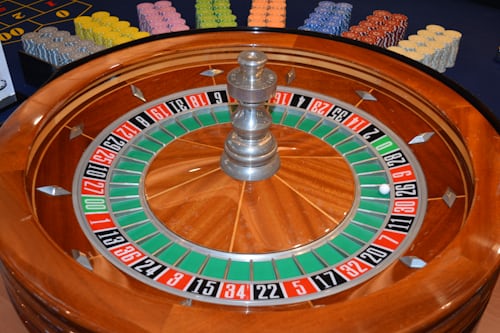
There are several types of gambling, each offering its unique appeal. Casino games, such as poker, blackjack, and roulette, are popular choices for many beginners. These games often involve a combination of skill and luck, making them entertaining and engaging for players. Additionally, sports betting allows individuals to place wagers on various sporting events, adding another layer of excitement for sports fans.
Online gambling has also gained immense popularity, allowing players to participate from the comfort of their homes. However, it’s important to choose reputable platforms and ensure safety while engaging in online gambling. Understanding the different types of gambling will help beginners make informed choices that suit their preferences and risk tolerance.
The Psychology of Gambling
The psychology of gambling is a fascinating field that examines why people are drawn to risk-taking behaviors. Factors such as excitement, social interaction, and even the chance of winning can create an addictive environment. Beginners should understand that while gambling can be fun, it can also lead to compulsive behaviors if not approached with caution.
Additionally, understanding emotions such as loss and winning can greatly affect a gambler’s experience. For instance, the thrill of winning can create a desire to continue gambling, while losing streaks can lead to chasing losses, often resulting in further financial risk. It’s vital for beginners to recognize these patterns and establish limits to maintain a healthy relationship with gambling.
Setting Limits and Responsible Gambling
One of the most critical aspects of gambling is setting limits. Beginners should establish a budget that they are comfortable with and stick to it, avoiding the temptation to chase losses or increase bets in hopes of a win. Setting time limits is equally important; it helps prevent excessive gambling and maintains a balanced lifestyle.
Responsible gambling also involves recognizing signs of potential problems. Beginners should be aware of their gambling habits and seek help if they notice negative impacts on their finances or personal relationships. There are many resources available for individuals who may need support in managing their gambling behavior.
Safety and Security in Gambling
Ensuring safety and security is paramount when engaging in gambling, whether online or in-person. It’s essential to choose reputable establishments that prioritize customer protection and transparency. For online gambling, look for sites that employ advanced security measures and provide clear information on their policies and practices.
Moreover, fostering an environment of trust and communication is essential for a positive gambling experience. If you encounter issues, it’s important to have access to support and guidance. Understanding the basics of gambling safety can significantly enhance your overall experience, allowing you to focus on enjoyment and responsible play.